
Practical Care Guide for Every Homeowner
Why Maintenance Matters for Plastic Chairs?
Plastic chairs are the unsung heroes of backyards, patios, and even casual dining rooms. They’re affordable, versatile, and can look surprisingly stylish—until sun, rain, and everyday spills dull their shine. The good news? A little routine care keeps them looking showroom-fresh for years. Whether you’re battling Arizona sun, Florida humidity, or Midwest winters, these practical tips are tailored to you and other homeowners who want their plastic chairs to stay bright, sturdy, and ready for any gathering.
1️⃣ Clean Regularly to Prevent Stains
Those grime or dust stains easily get put up on your chair when you are using your chair, whether indoors or outdoors. Therefore, cleaning is a must on a regular basis, but how often again depends on your use.
Frequency: Clean every 2–4 weeks during heavy use and once a fortnight or a month when sparsely used.
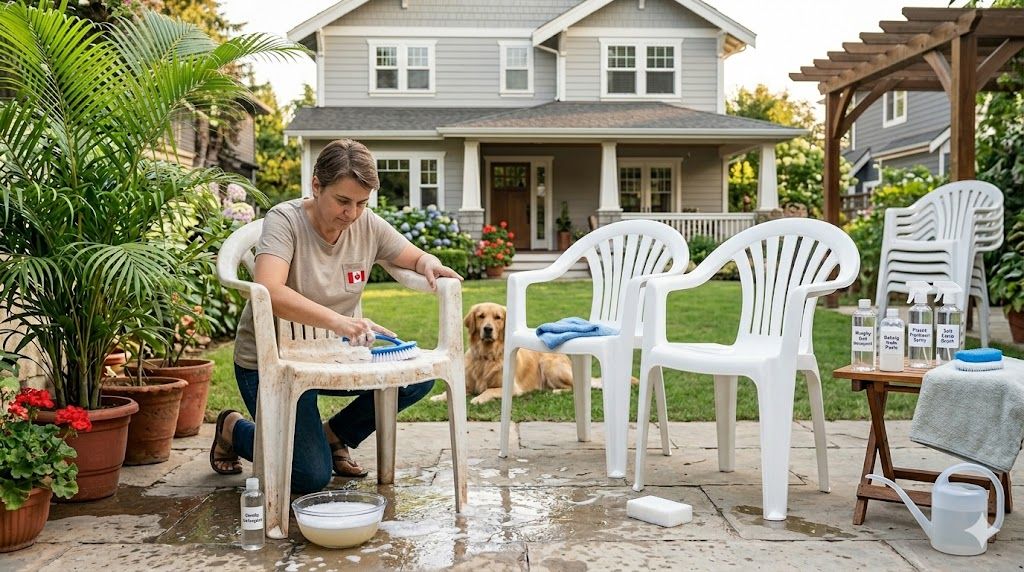
- Basic Wash: Mix mild dish soap with warm water. Use a soft sponge or microfiber cloth to avoid scratching.
- Rinse Thoroughly: Hose off to remove soap residue that can attract more dirt.
- Deep Clean: For stubborn grime, add a tablespoon of baking soda to the soapy mix or use a 50/50 white vinegar and water solution.
Pro Tip: Avoid abrasive cleaners like scouring powder—they can leave a cloudy finish.
2️⃣ Shield from the Sun
UV rays are the biggest enemy of plastic furniture, causing fading and brittleness. The direct sunrays cause damaging effects not only on the color but also on the material.
- Choose Shade: Whenever possible, place chairs under an awning, umbrella, or tree.
- Use UV Protectant Spray: Products like 303 Aerospace Protectant create a protective layer that repels UV damage (apply every 4–6 weeks during summer).
- Rotate Chairs: Change their position every few weeks to ensure even sun exposure.
3️⃣ Protect from Extreme Weather
Different American climates require different strategies. What do you apply to the cold weather condition cannot absolutely work for warmer climate region. So be mindful and practical based on the climate of your region.
- Cold and Snowy Regions (Midwest, Northeast): Store chairs indoors or in a shed/garage during winter to prevent cracking.
- Rain-Prone Areas (Pacific Northwest): Elevate chairs slightly off the ground and keep them covered to prevent water pooling.
- Coastal Homes: Salt air can create a sticky film—wipe chairs monthly with a vinegar-water mix to cut salt residue.
4️⃣ Keep Them Dry
Standing water leads to mildew and stains. Not only that, it can even damage the material in the long run.
- After rain, tilt or wipe chairs so water doesn’t collect in seams or crevices.
- Use breathable outdoor furniture covers to block rain while allowing airflow.
5️⃣ Handle Stains and Discoloration Early
| Stain Type | Solution |
| Mildew/Mold | Scrub with a soft brush using 1 cup vinegar + 1 gallon water. Rinse well. |
| Food/Grease | Rub baking soda paste (baking soda + a little water) gently on the spot. |
| Tree Sap or Sticky Residue | A dab of mineral oil on a cloth can lift sap—follow with a soapy rinse. |
Pro Tip: Tackle stains ASAP. The longer they sit, the more they etch into the plastic. This only makes the look dull, but also wears away the plastic.
6️⃣ Tighten, Repair, or Replace Hardware
If your chairs have any metal screws, rubber feet, or moving parts, then you need to take an extra minute to take care of them. Just avoiding a fix at a moment can ultimately put your chair in the garage with a no longer usable tag.
- Check screws every season to ensure that they stay tight.
- Replace missing feet pads to avoid scratching patios or indoor floors.
- For small cracks, use outdoor-rated epoxy to seal before they widen.
7️⃣ Smart Storage
When not in use, smart storage extends life. Along with giving your chair a longer life timeline, it also saves your pocket without burning a hole in shopping the new ones.
- Stacking Chairs: Place a towel between each chair to prevent scuffing.
- Covers: Choose UV-resistant, breathable covers that prevent moisture buildup.
- Garage/Shed: If space allows, indoor storage during off-seasons is best.
8️⃣ Refresh the Look
If your chairs are structurally sound but look tired, give them a new makeover. This not only adds life and elegance but also gives you a fresh start and your home a new look.
- Spray Paint for Plastic: Use a paint specifically labeled for plastics (like Krylon Fusion) to change color or revive faded hues.
- Add Cushions: Outdoor cushions in weather-resistant fabrics give instant style and comfort.
Quick Maintenance Calendar
| Season | To-Do |
| Spring | Deep clean, check hardware, apply UV protectant. |
| Summer | Monthly wipe-down, reapply UV spray. |
| Fall | Final deep clean, inspect for cracks, and decide on storage. |
| Winter | Store or cover; if using indoors, quick dust and mild wash as needed. |
The Bottom Line
With a simple cleaning routine and a few preventative measures, plastic chairs can look sleek and last for many seasons—saving you money and reducing waste. From UV-protectant sprays to vinegar-based washes, these steps are inexpensive and easy to implement, no matter where you live in the American continent.
Treat your plastic chairs like the valuable home assets they are, and they’ll reward you with years of bright color, sturdy support, and countless backyard memories.