
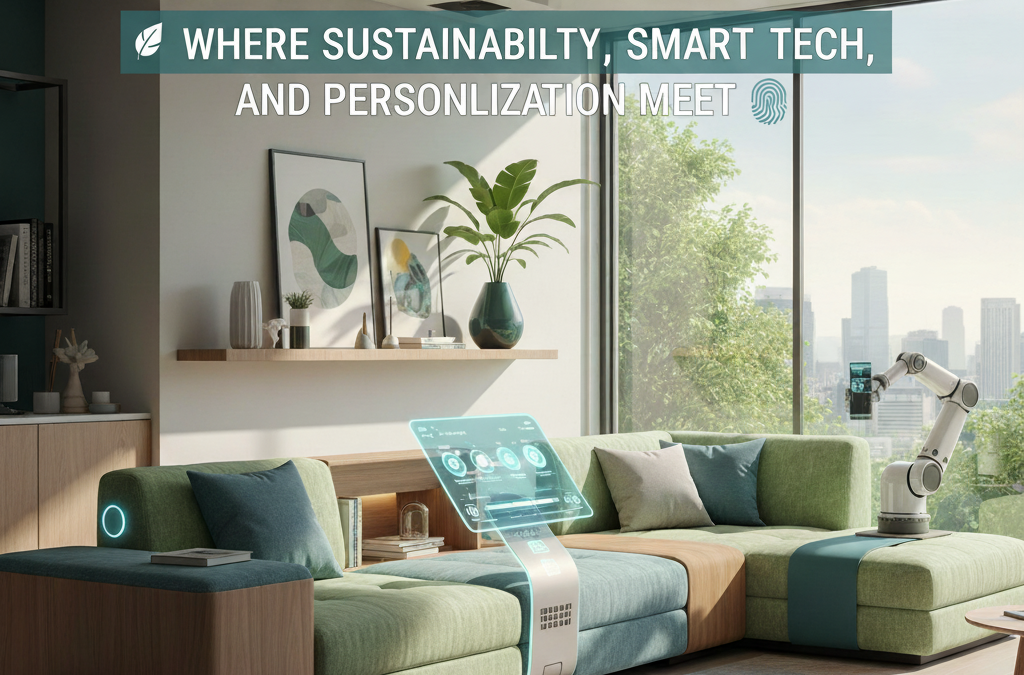
A New Era of Living Spaces
Furniture industry in 2026 is undergoing a transformative shift, blending sustainability, environment, technology, and personalization to meet the evolving needs of consumers. As urban living spaces become more compact and lifestyles more dynamic, furniture is no longer just about aesthetics—it’s about adaptability, eco-consciousness, and smart integration in the limited space, which has become quite common in urban zones. This year, the spotlight is on designs that are not only visually appealing and soothing but also functionally versatile and environmentally responsible.
1. Sustainability: The Core of Modern Design
Environmental consciousness has become a driving force in furniture design. Consumers are increasingly seeking pieces made from recycled or renewable materials, such as reclaimed wood and plant-based fabrics. Brands like Sabai and Floyd are leading the way by offering eco-friendly furniture that doesn’t compromise on style. Moreover, the circular economy model is gaining traction, with companies introducing buy-back programs and refurbishment services to extend the lifecycle of furniture. Some of them offer repair services for the furniture.
2. Smart Furniture: Integrating Technology for Enhanced Living
The integration of technology into furniture is revolutionizing how we interact with our living spaces. Smart furniture, equipped with features like wireless charging, built-in speakers, and adjustable settings, is becoming increasingly popular. For instance, Sobro’s Smart Coffee Table includes built-in speakers, a refrigerator drawer, and LED lighting, catering to the tech-savvy consumer. Some workstation tables come with charging plug-in facilities along with height adjustment settings for a healthy lifestyle. This trend reflects a growing demand for furniture that not only serves traditional purposes but also enhances convenience and connectivity, also not compromising health, as a sedentary lifestyle has taken much of the toll.
3. Personalization: Crafting Unique Living Experiences
Customization is at the forefront of furniture trends in 2026. Consumers desire pieces that reflect their personality, style and adapt to their specific needs. Modular and configurable furniture allows for flexibility, enabling users to reconfigure layouts as their preferences or living situations change. Additionally, advancements in AI and 3D visualization tools are empowering customers to design and visualize furniture tailored to their tastes before making a purchase.
4. Multifunctionality: Maximizing Space Efficiency
With the rise of remote work and urbanization, multifunctional furniture has become essential. Designs that serve multiple purposes—such as sofa beds, expandable dining tables, and storage-integrated pieces—are in high demand. These solutions cater to the need for space efficiency without sacrificing comfort or style, making them ideal for modern living environments.
5. Biophilic Design: Bringing Nature Indoors
Biophilic design, which emphasizes the connection between humans and nature, is influencing furniture trends. Incorporating natural materials like wood, stone, and plant-based textiles, as well as organic shapes and earthy color palettes, creates calming and grounding interiors. This approach not only enhances aesthetic appeal but also promotes well-being by bringing elements of the natural world into indoor spaces.
Conclusion: Embracing the Future of Furniture
The furniture industry in 2026 is characterized by a harmonious blend of sustainability, technological innovation, and personalization. As consumers seek to create living spaces that are not only functional and stylish but also reflective of their values and lifestyles, the demand for eco-friendly materials, smart features, and customizable designs continues to grow. By embracing these trends, manufacturers and designers are not only meeting current market demands but also paving the way for a more sustainable and connected future in home living.
Furthermore, the emphasis on well-being and comfort has never been more pronounced, driving designs that prioritize ergonomic support and mental tranquility. As the lines between home, work, and leisure blur, furniture will play an increasingly vital role in facilitating a balanced and fulfilling life. The future of furniture is not just about filling spaces, but about enhancing experiences and contributing to a higher quality of living.