
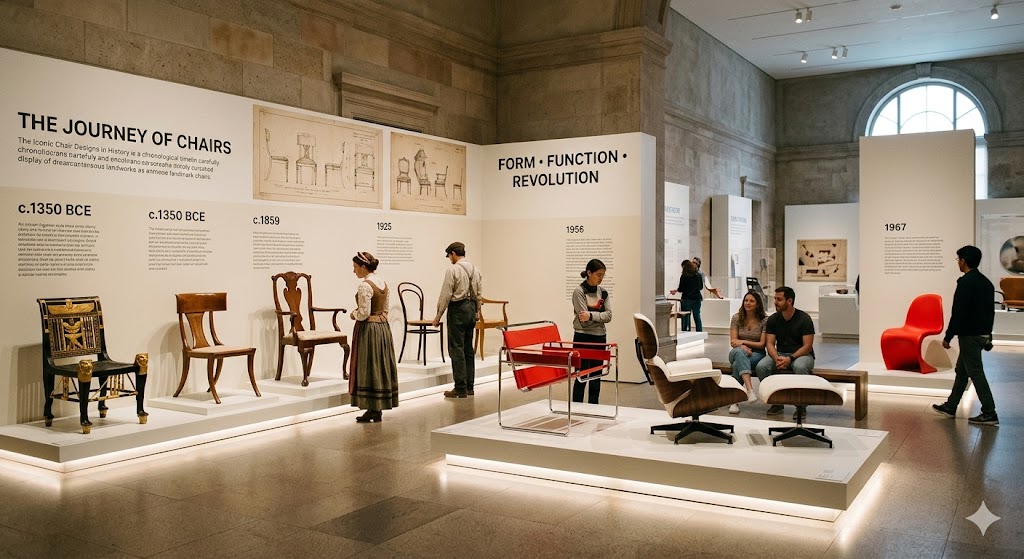
A Journey Through Legendary Seating
Chairs may seem like simple pieces of furniture, but throughout history, certain designs have transcended their functional purpose to become symbols of artistry, innovation, and cultural significance. Among the many chairs that have left an indelible mark on design history, a few stand out as truly iconic. This blog explores three legendary chair designs—the Eames Lounge Chair, the Barcelona Chair, and the Windsor Chair—and their enduring influence on furniture design.
Eames Lounge Chair: Comfort Meets Modernity
Designed in 1956 by Charles and Ray Eames, the Eames Lounge Chair and Ottoman represent the pinnacle of mid-century modern design. Inspired by the classic English club chair, the Eames Lounge Chair was crafted to provide the ultimate in luxury and comfort while maintaining a sleek and contemporary aesthetic. The combination of molded plywood, sumptuous leather, and precision engineering makes this chair as visually striking as it is comfortable.
What sets the Eames Lounge Chair apart is its masterful blend of function and form. Its ergonomic design cradles the body, making it a favorite among design enthusiasts and collectors. The chair has been featured in countless movies, television shows, and stylish interiors, solidifying its status as an icon of modern living. Today, it remains a coveted piece, produced by Herman Miller and Vitra, continuing to be a testament to the enduring appeal of thoughtful design.
Barcelona Chair: A Symbol of Elegance and Simplicity
Created by Ludwig Mies van der Rohe and Lilly Reich for the German Pavilion at the 1929 Barcelona International Exposition, the Barcelona Chair embodies the principles of modernist architecture—clean lines, minimalism, and sophistication. Originally designed for Spanish royalty, the chair exudes a regal yet understated elegance.
Constructed with a stainless steel frame and luxurious leather cushions, the Barcelona Chair is a striking example of how furniture can serve as functional art. The distinctive X-shaped legs and tufted leather upholstery contribute to its timeless appeal, making it a fixture in stylish interiors around the world.
Despite being nearly a century old, the Barcelona Chair remains a benchmark of high-end furniture design. Its ability to seamlessly integrate into both contemporary and traditional spaces ensures that it will continue to be a symbol of refined taste for generations to come.
Windsor Chair: A Classic With Timeless Charm
Unlike the sleek modernist designs of the Eames and Barcelona Chairs, the Windsor Chair traces its origins back to the early 18th century in England. Characterized by its wooden construction, spindle back, and splayed legs, the Windsor Chair was initially crafted for practical use in country homes but soon gained popularity for its durability and versatility.
The chair’s simple yet sturdy design made it a staple in American colonial homes, where it evolved into various regional styles. Today, the Windsor Chair is celebrated for its rustic charm and adaptability. Whether placed in a farmhouse kitchen or a contemporary dining space, its craftsmanship and historical significance make it an enduring favorite.
Conclusion: The Legacy of Iconic Chairs
Each of these chairs—the Eames Lounge Chair, the Barcelona Chair, and the Windsor Chair—represents a distinct era, style, and design philosophy. While their aesthetics and construction may differ, they share a common trait: timeless appeal. Their influence extends beyond furniture, shaping the way we think about design, comfort, and function. Whether you’re a collector, an interior design enthusiast, or simply someone who appreciates great craftsmanship, these legendary chairs serve as a reminder of the power of good design to stand the test of time.