
Simple Ways to Create a Calm, Stylish Home
Minimalist home décor isn’t about empty rooms or cold spaces, nor the white spaces with miniature decor; it’s about intentional living with simple thinking using the bare minimum for sustaining life. It’s choosing what truly matters, keeping only what adds value, and creating a home that feels calm, functional, and beautifully uncluttered, removing all unwanted materialistic things.
In today’s fast-paced world, minimalist interiors are gaining popularity because they offer exactly what we crave most, and that is peace, clarity, unclutter, and balance. Whether you live in a compact apartment, a studio, or a spacious home, minimalist décor can transform your space without overwhelming your senses.
Let’s explore some easy, practical minimalist home décor ideas that feel warm, lived-in, peaceful, and stylish, not stark or boring.
Start with a Neutral Color Palette
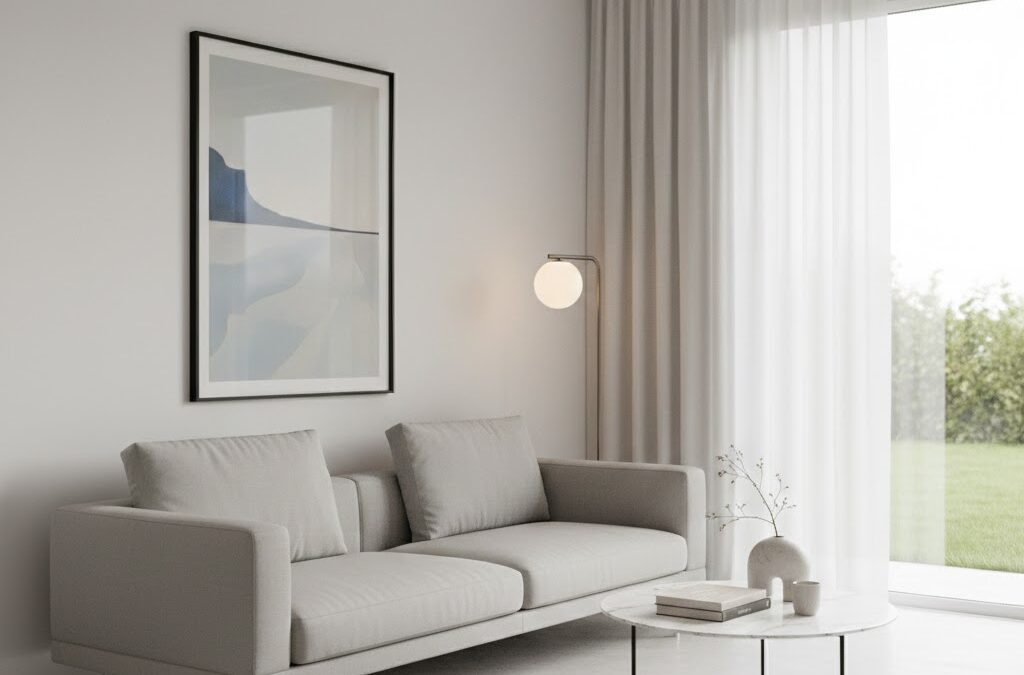
Minimalism begins with color. Soft neutrals like white, beige, cream, light grey, and muted earth tones instantly create a soothing base. These shades reflect light beautifully, making rooms feel open and airy.
That doesn’t mean your home has to feel flat. You can add depth through subtle contrasts, think of off-white walls paired with warm wooden furniture or light grey sofas accented with textured cushions.
The key is to let your space breathe.
Declutter with Purpose, Not Pressure
One of the biggest myths about minimalist décor is that you must get rid of everything. In reality, it’s about keeping what you truly use and love. It is about removing all those unwanted things that are just holding the space without any purpose or use in your day-to-day life.
Ask yourself:
- Does this item serve a purpose?
- Does it bring me joy or comfort?
- Would my space feel calmer without it?
Minimalist homes aren’t empty; they’re intentional and simple. Fewer items mean easier cleaning, clearer surfaces, and a more relaxed mindset. The decluttering just not only clears the spaces in the house but also in your mind.
Choose Furniture with Clean Lines
Minimalist furniture focuses on simplicity and functionality. Look for pieces with clean lines, subtle curves, smooth surfaces, and uncluttered designs. Avoid bulky, complicated, or overly ornate furniture, which may not only occupy a lot of space but also incur hefty energy costs.
Therefore, opt for:
- Sleek sofas with slim arms
- Dining tables with simple silhouettes
- Beds with low-profile frames and smooth curves
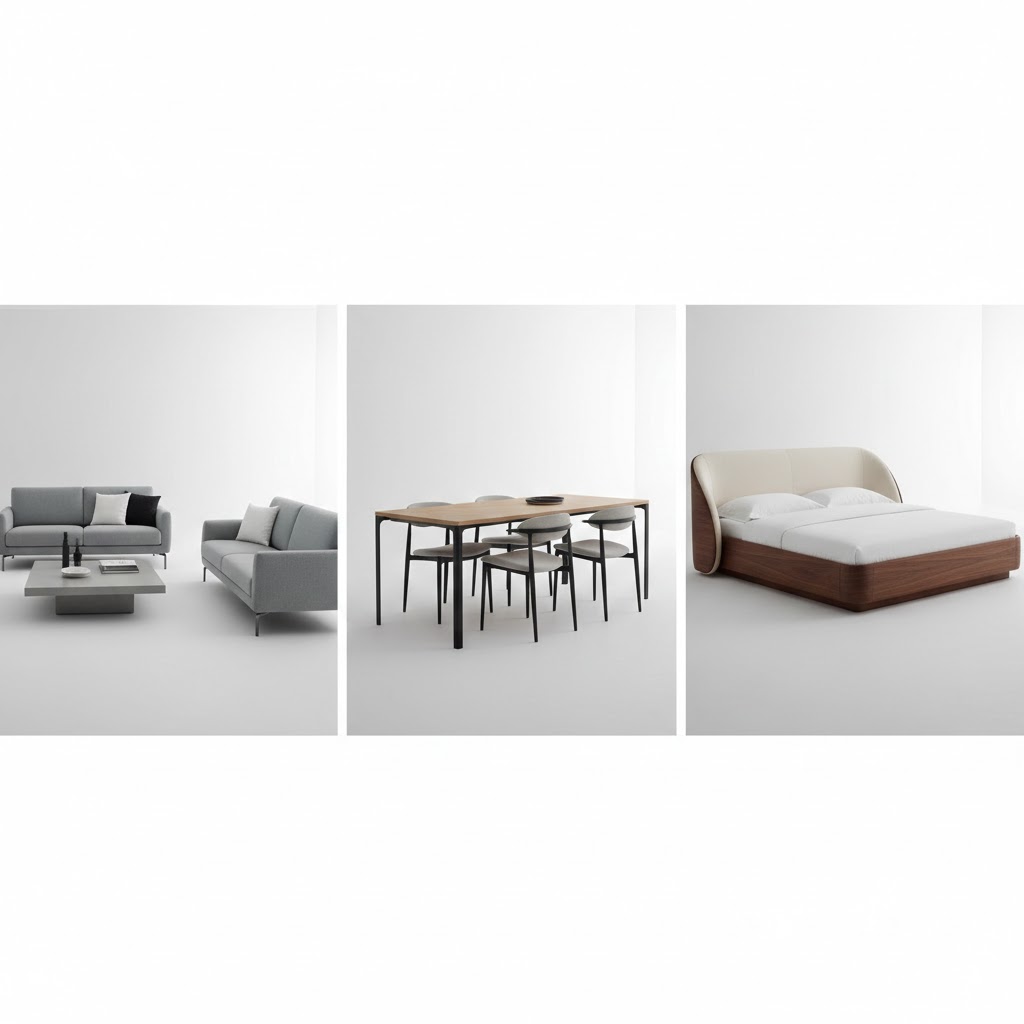
Each piece should feel purposeful and proportionate to your space. In minimalist décor, furniture doubles as both function and design.
Let Natural Light Take Center Stage
Natural light is one of the most powerful elements in minimalist homes. Keep windows unobstructed with sheer curtains or light blinds that allow sunlight to flow freely. Unlike artificial lights, bright natural light makes the room look more spacious and open.
Moreover, bright spaces automatically feel larger, calmer, and more welcoming compared to dark apartments. If privacy is a concern, choose light-filtering fabrics instead of heavy drapes, as these make the room dull and damp.
In reality, minimalism thrives on light—both natural and emotional.
Embrace Texture Over Excess Decor
When décor is minimal, texture becomes your best friend. Instead of filling your space with decorative items, layer textures to add warmth and visual interest.
Try:
- Linen or cotton cushions
- Wool or jute rugs
- Wooden furniture
- Ceramic vases or stone accessories
These elements create depth without clutter, making your home feel cozy, warm, yet refined.
Keep Wall Decor Simple and Meaningful
In minimalist interiors, walls don’t need to be crowded. One thoughtfully chosen piece of art can say more than an entire gallery wall.
Choose:
- Abstract art
- Line drawings
- Black-and-white photography
- Nature-inspired prints
Let each piece have space around it. Negative space is a design element in itself.
Add Greenery for a Fresh, Natural Touch
Plants bring life into minimalist spaces effortlessly. A single indoor plant can soften clean lines and add warmth without overwhelming the décor.
Low-maintenance options like snake plants, fiddle-leaf figs, or pothos work beautifully. Choose simple planters in neutral shades to keep the look cohesive.
Nature and minimalism go hand in hand.
Smart Storage Is the Minimalist Secret
Minimalist homes don’t hide clutter—they eliminate it through smart storage. Choose furniture with built-in storage, closed cabinets, and concealed shelves.
Keeping everyday items out of sight helps maintain clean lines and visual calm, even in busy households. When everything has a place, your home feels instantly lighter.
Less Decor, More Personality
Minimalism doesn’t mean your home should feel impersonal. In fact, it allows your personality to shine through more clearly.
A favorite book, a handcrafted vase, or a meaningful family photo can become a focal point when not surrounded by clutter. Each item feels more special when it’s not competing for attention. That’s the beauty of minimalist living.
Final Thoughts: Minimalism Is a Lifestyle, Not a Rulebook
Minimalist home décor isn’t about perfection or just having a few things; it’s about intentional comfort. It’s creating a space that supports your lifestyle, reduces stress, and feels effortlessly elegant.
Whether you start by decluttering one room or simply switching to a softer color palette, every small step brings you closer to a calmer, more mindful home.
After all, sometimes less truly is more.