
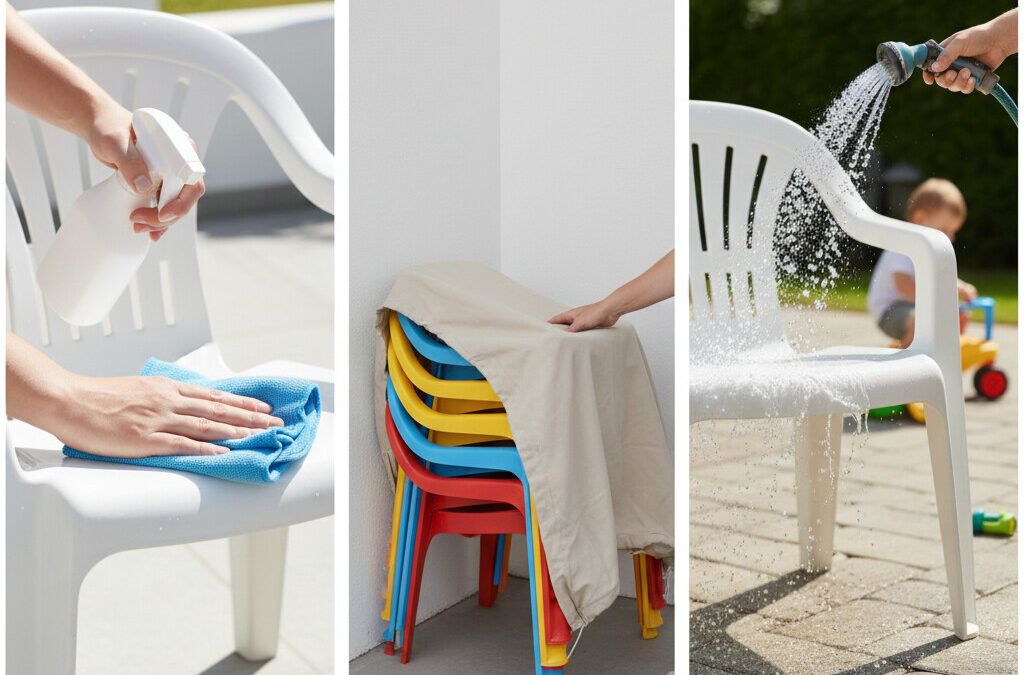
Plastic chairs are everywhere—in homes, balconies, cafés, offices, and event spaces. And the reason is simple: they’re lightweight, affordable, and incredibly practical. But here’s something most people assume (and get wrong):
“Plastic chairs don’t need maintenance.”
They do—but very little, if done the right way.
With just a few easy habits, plastic chairs can stay clean, sturdy, and good-looking for years. Let’s walk through how to maintain them without effort, expensive products, or stress.
Start with the Basics: Regular Cleaning Matters More Than You Think
Plastic chairs don’t demand daily scrubbing, but ignoring them for months is what causes dullness and stains.
A simple routine works best:
- Wipe chairs weekly with a soft cloth
- Use mild soap and water—nothing fancy
- Rinse well and let them air dry
This alone prevents dust, food residue, and grime from settling into the surface.
Real talk: Most plastic chairs that “look old” aren’t damaged—they’re just dirty.
Avoid Harsh Cleaners (This Is Where Most Damage Happens)
One of the biggest mistakes people make is using strong chemicals or abrasive scrubbers.
Plastic may feel tough, but:
- Bleach can weaken the surface over time
- Harsh acids can cause discoloration
- Steel scrubbers leave micro-scratches that trap dirt
Stick to mild detergents. For stubborn stains, baking soda with water works surprisingly well—and safely.
Outdoor Plastic Chairs Need a Little Extra Care
If your plastic chairs live outdoors—balcony, garden, terrace—they face sun, dust, and rain daily.
Here’s what helps:
- Rinse them once every 10–15 days
- Keep them under shade when not in use
- Avoid continuous sun exposure if possible
UV rays are the main reason plastic chairs fade or turn brittle over time. Even partial shade can extend their life significantly.
Don’t Ignore Storage (Especially Stackable Chairs)
Stackable plastic chairs are convenient—but improper stacking causes cracks and bending.
Best practices:
- Stack only as many as recommended
- Keep them on flat surfaces
- Avoid dragging stacked chairs across floors
If chairs aren’t used regularly, store them indoors or cover them with a cloth or plastic sheet.
Small Fixes That Make a Big Difference
Little habits go a long way:
- Add rubber caps to chair legs to prevent wear
- Clean spills immediately to avoid staining
- Rotate usage so the same chairs aren’t overused
And yes—plastic chairs can last years longer just by being treated gently.
How Often Should You Maintain Plastic Chairs?
This is the beauty of plastic furniture:
- Light cleaning once a week
- Deep cleaning once every 1–2 months
- Outdoor chairs: rinse every 10–15 days
That’s it. No polishing, no professional help, no ongoing costs.
Why Proper Maintenance Is Worth It
Maintained plastic chairs:
- Look newer for longer
- Stay structurally strong
- Are more hygienic
- Save replacement costs
- Reflect a cleaner, more organized space
Whether it’s your home, café, office, or event setup, well-maintained chairs quietly elevate the entire environment.
Final Thoughts
Plastic chairs are designed for convenience—but longevity depends on how you treat them.
A little care, done consistently, can keep them functional and presentable for years. And honestly, when furniture is this easy to maintain, there’s no reason not to get the best out of it.